‘American Troll’ Review: Freedom of Speech Is Not Freedom From Consequences
You know what, for the mess that is American Troll, there is a worthwhile somewhere inside the Saturnin Kondratiew’s documentary. The problem is that the movie is so busy feeling sorry for comedians instead of making a genuine statement about censorship.
The film chronicles Canadian comic Mike Ward’s decade long legal battle after jokes he made about Jeremy Gabriel, a disabled child. His joke resulted in a complaint from the Quebec’s human rights council, and eventually reached Canada’s Supreme Court. He was eventually ordered to pay in the ball park of $42k. American Troll wants Ward’s ordeal to raise larger questions about free expression, censorship and where a comedian’s right to offend should end. Fair enough. That is absolutely a documentary worth making….but then you hear what the joke actually was.

Gabriel explains that Ward repeatedly joked about trying to drown him and mocked his disability and appearance while he was still a child. Gabriel also describes the online harassment that followed. Suddenly, watching grown comedians act as though civilization may collapse because somebody objected to their material becomes considerably less compelling.
Ward even takes his grievances to Joe Rogan, because apparently no contemporary documentary about aggrieved comedians can resist eventually wandering into that ecosystem.
To American Troll’s credit, Kondratiew gives Gabriel significant space. We learn about the medical challenges he overcame, from difficulties eating and speaking to eventually singing at major sporting events and opening for Céline Dion. His presence keeps the doc from becoming complete hero worship. Unfortunately, nearly everything around him keeps trying.
Instead of seriously interrogating the difference between censorship and consequence, American Troll spends a long time with comedians whining about what they can and cannot say, tangents about white men with dreadlocks, and familiar culture-war arguments about everybody becoming too sensitive. Being legally allowed to say something has never guaranteed freedom from somebody thinking you’re an asshole afterward.
That’s the tension the movie dodges. Jokes offend people. Of course they do. Comedy is useless if nobody ever felt uncomfortable. And there is a legitimate conversation here about governments determining acceptable speech. Comics can even function as a canary in the coal mine when genuine restrictions on expression begin creeping in.
Mike Ward ain’t no canary.
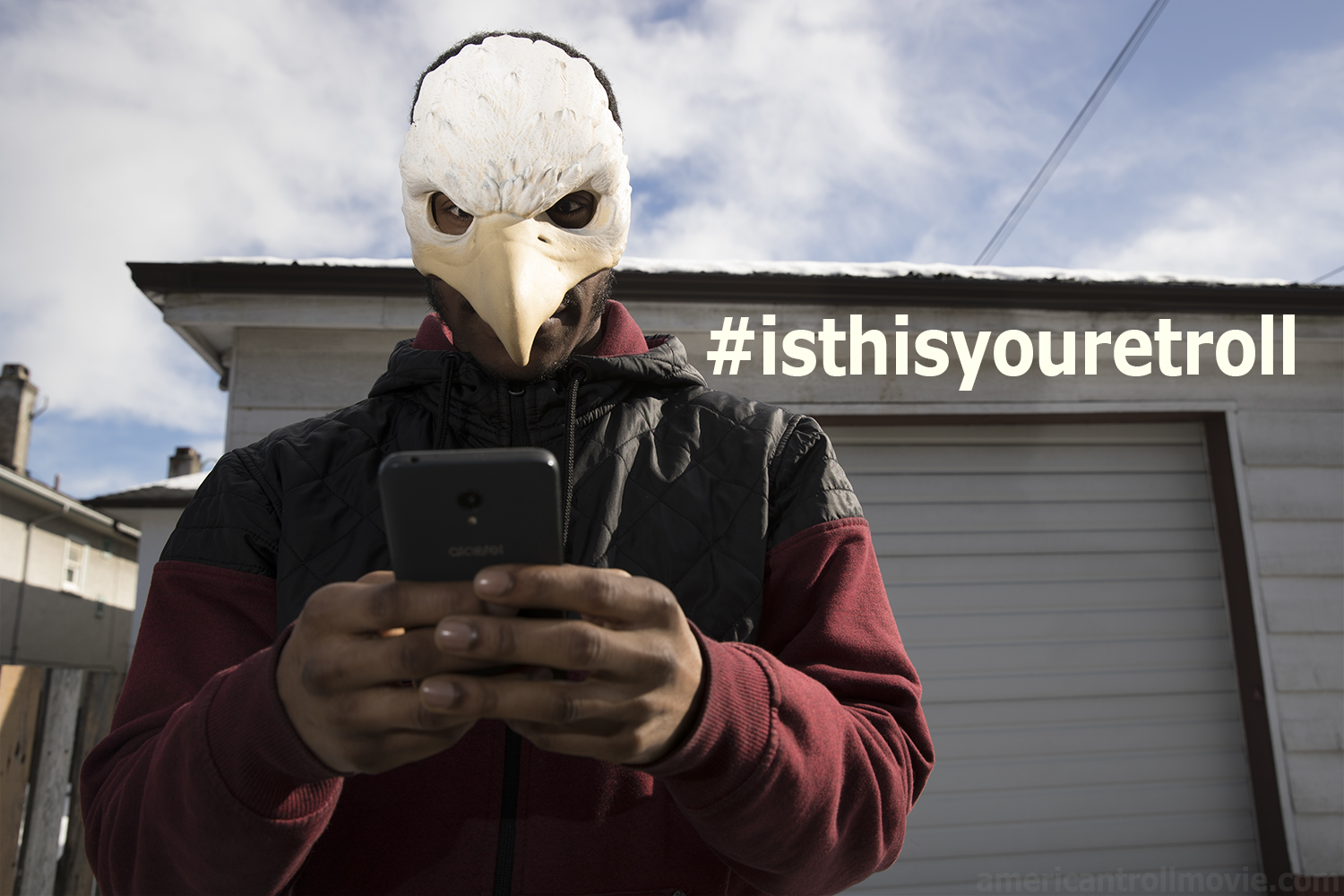
Fighting for the ability to make jokes about killing a disabled kid isn’t inherently rebellion simply because somebody told you to stop. After 25 years in comedy, “people got mad at my joke” cannot still qualify as a shocking professional development.
The documentary calls itself darkly funny, but where exactly is the funny? Much of American Troll consists of charisma-deficient talking heads congratulating themselves for refusing to apologize. Accountability gets treated like capitulation, and the movie rarely presses its subjects hard enough on the distinction.
Production-wise, the documentary is perfectly competent. Kondratiew mixes interviews, animation, and reenactments to keep things visually moving, although the editing can feel choppy and haphazard as the film jumps between its legal case and broader ideological detours. The direction isn’t the issue.
Overall, American Troll feel like listening to comedians complain that nobody understands how hard it is to be allowed to say whatever you want while people are also allowed to hate you for saying it.
That’s not censorship. That’s Tuesday.
American Troll is currently available on Tubi.

Valerie Complex View All
Writer, Critic, and passionate about comics, movies and equality on the big screen.